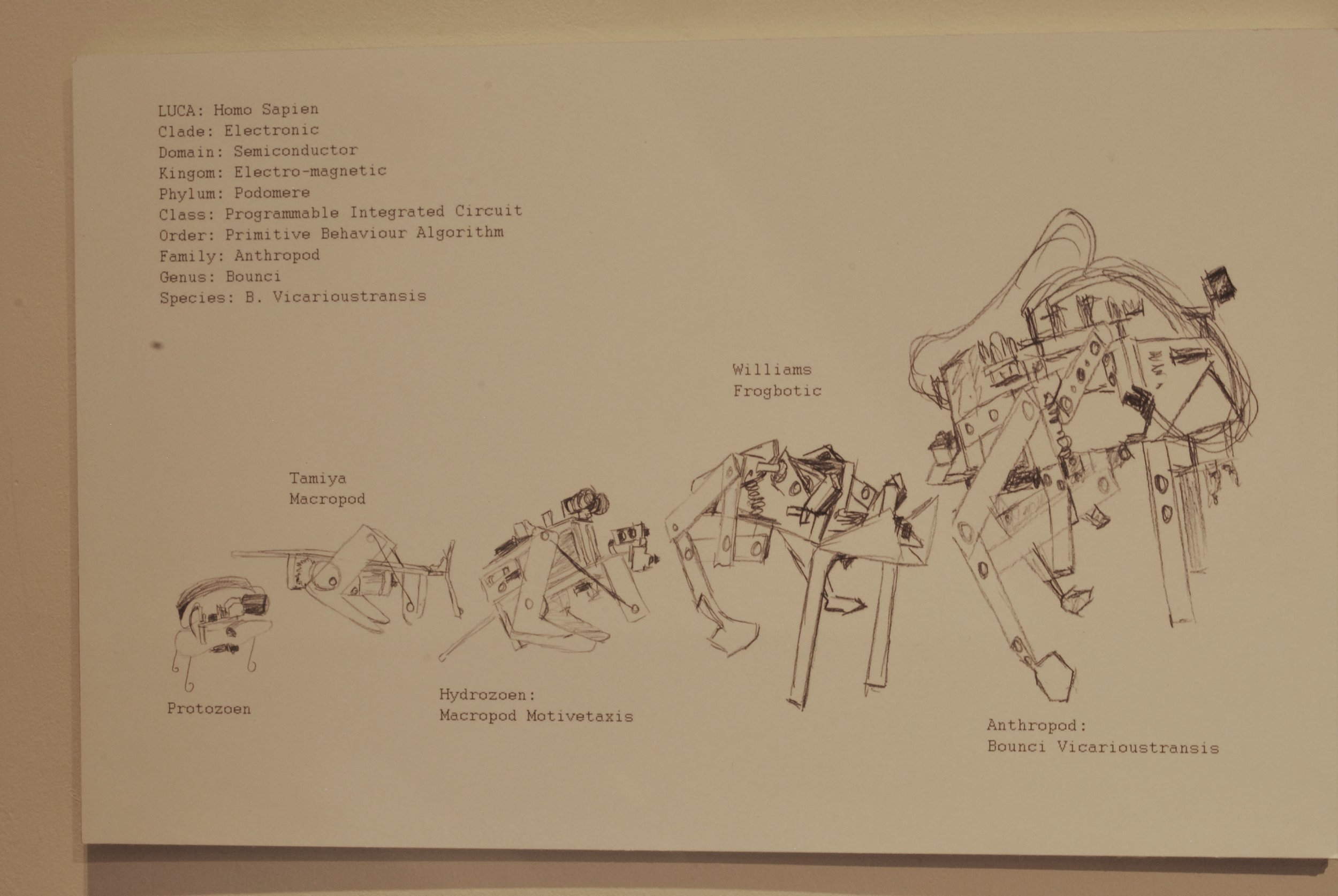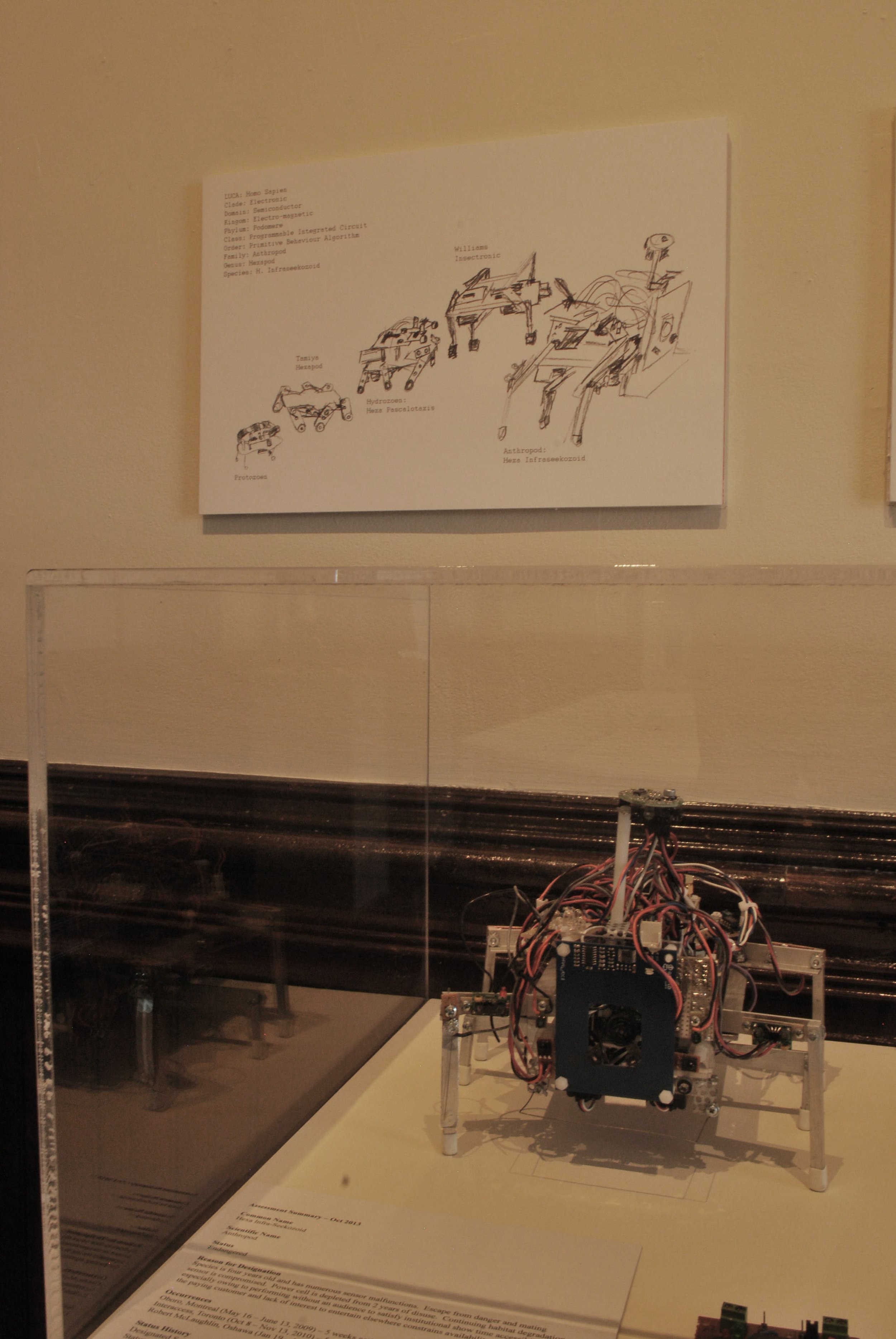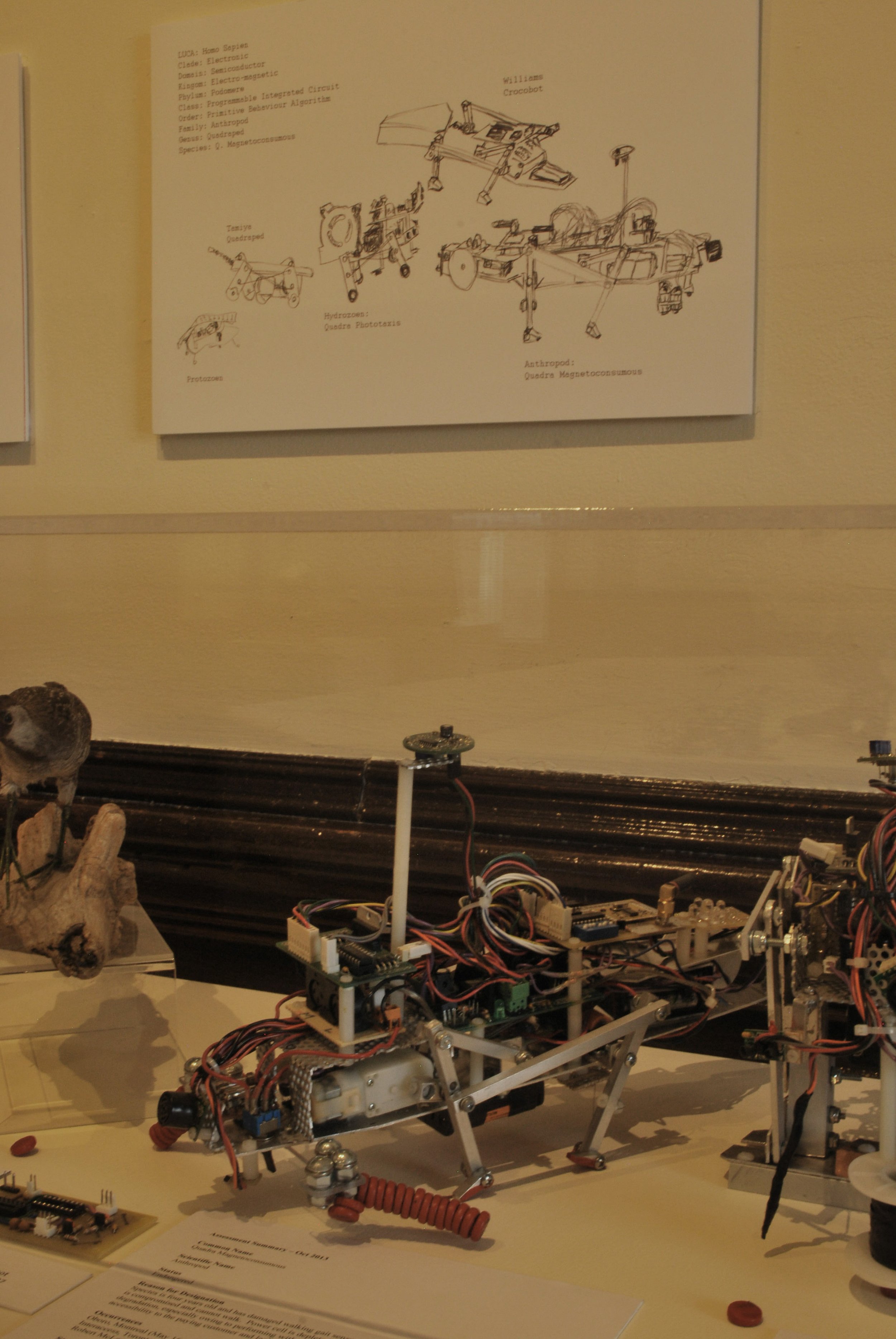
Field Studies Evolutionary Diagram Series (2013)
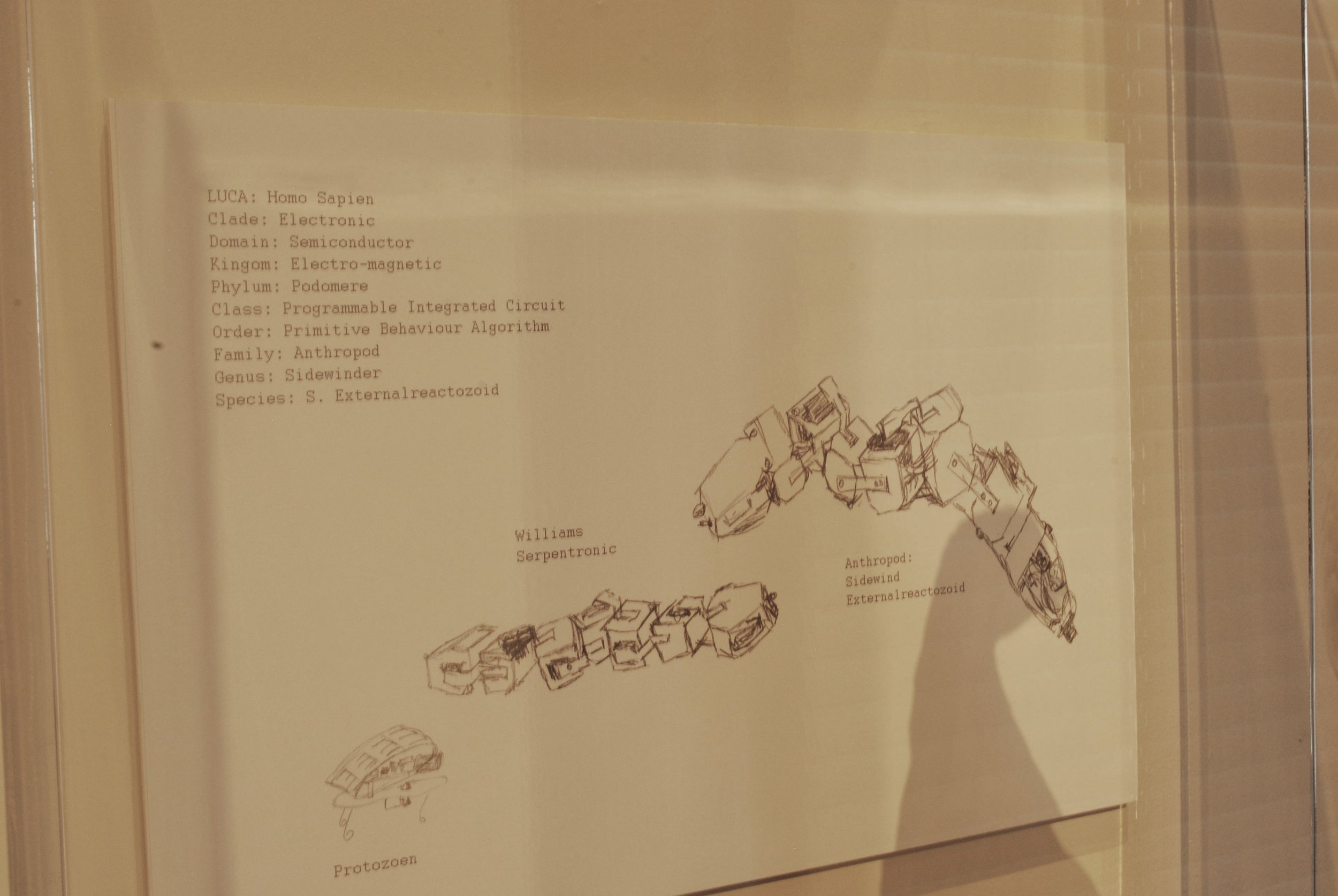
Digital Prints of pencil on paper, 17 in x 11 in

Photo Credit: Jessica Field

This is a series of drawings to create evolutionary growth of the Field Studies V2 robots. It is a work that explores evolution theory and to connect the robots of different intelligences together in the classification of how many appendages it has. It also plays off of the influences that went into designing the robots from book references and toys that played a part in the creation of each robot. The work is about creating a fantasy world where the robots have a long history of existing and to further relate them to our understanding of how animals evolve over time.

Andrew MacDonald

With more than 20 years in marketing leadership, Andrew brings a clarity-first approach shaped by his early career in the non-profit sector. At World Vision Canada, he managed multi-million-dollar campaigns and drove donor retention strategies; later, at Opportunity International Canada, he built an in-house creative team that delivered innovative, cost-efficient marketing across the country.

Those experiences taught him that effective marketing isn’t about flashy tactics — it’s about strategy, efficiency, and measurable ROI. Today, Andrew applies that discipline to help entrepreneurs escape the “marketing swirl,” invest smarter, and grow with confidence through the Kasama Method™.

Clients describe him as a trusted partner who asks the big questions, simplifies complexity, and always walks alongside them with solutions. He’s passionate about blending strategy and technology in ways that make growth achievable for small and mid-sized businesses.

Beyond Kasama, Andrew gives back by advising local charities and serving on community boards. At home in Quinte, he and his wife Katrina are raising two kids — and when he’s not strategizing for clients, you’ll find him planning the next family beach trip or catching up on post-apocalyptic TV shows.

http://www.kasama.ca/
Previous
Previous

Monolithic Evolution (2016)

Next
Next

Schematic of Parabolic Behaviours (2011)