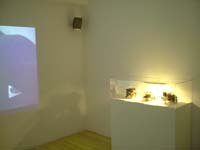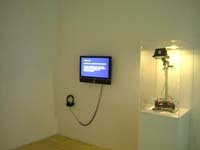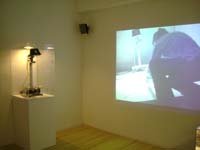
Field Studies Version 1 (2008)
Photo credit: Jessica Field
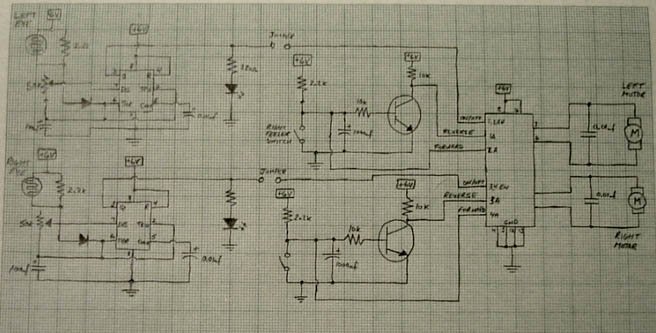
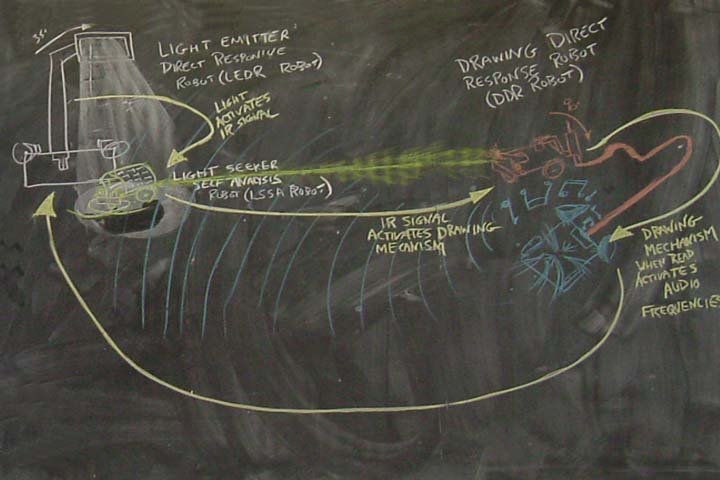
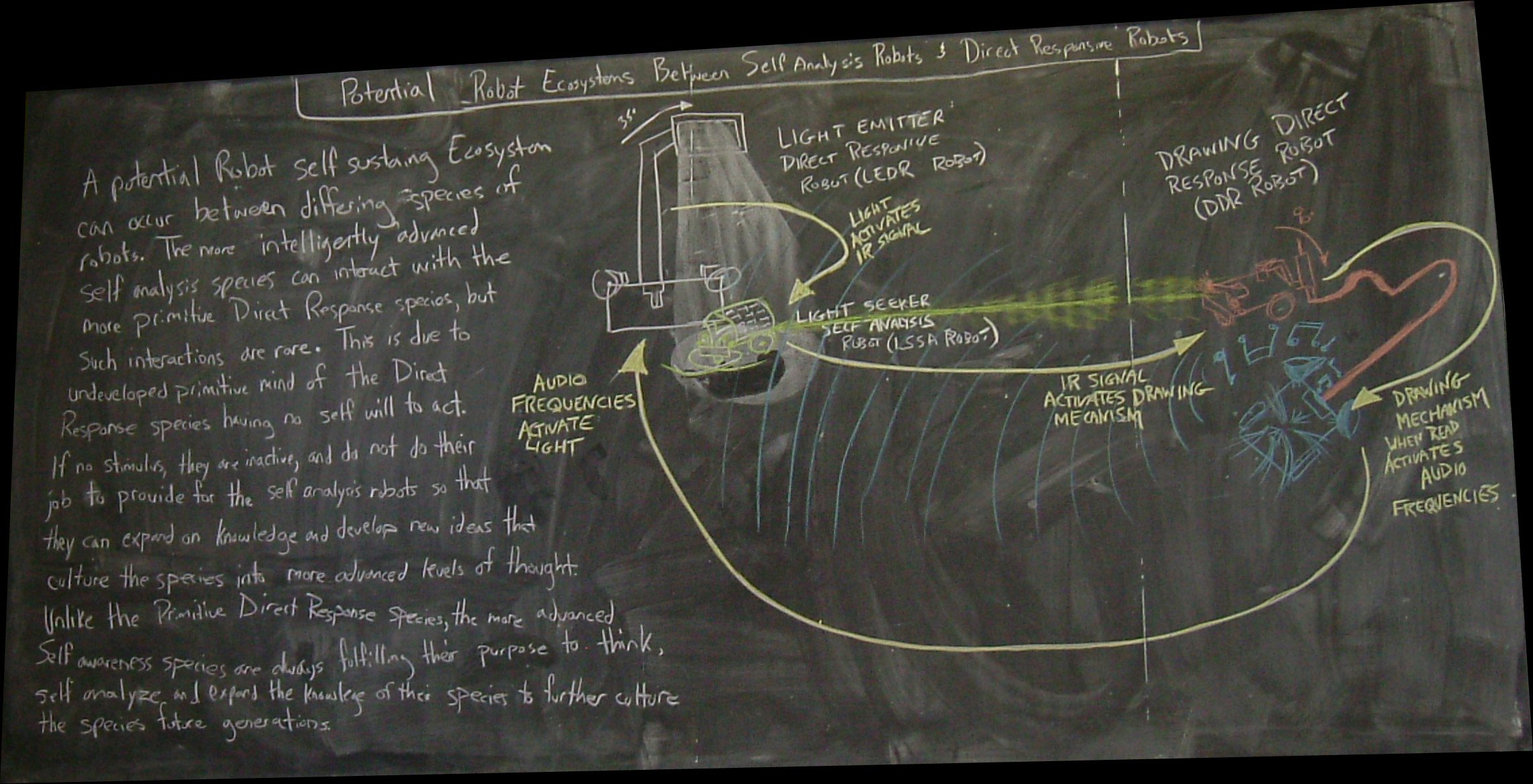
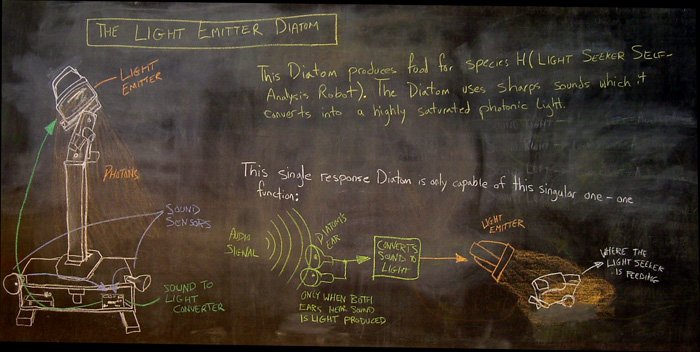
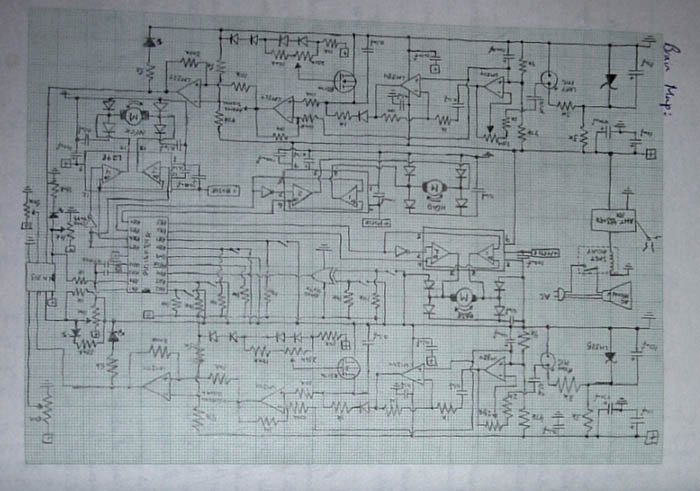
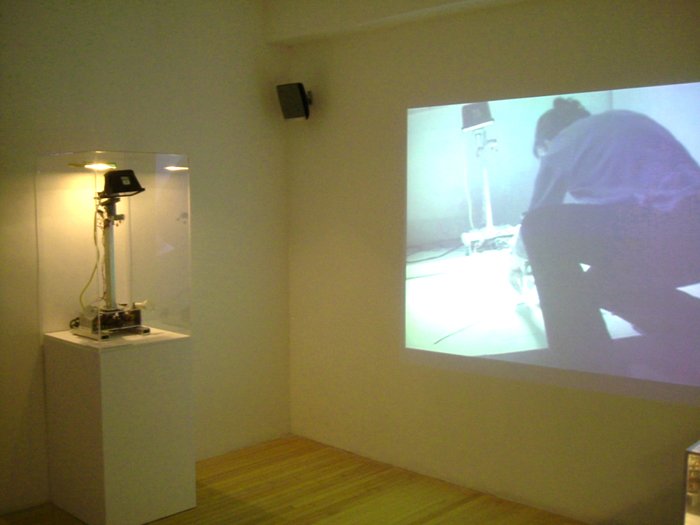
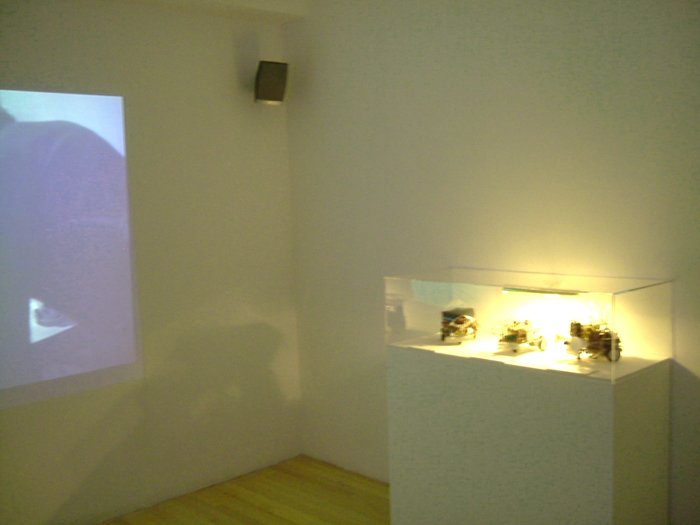
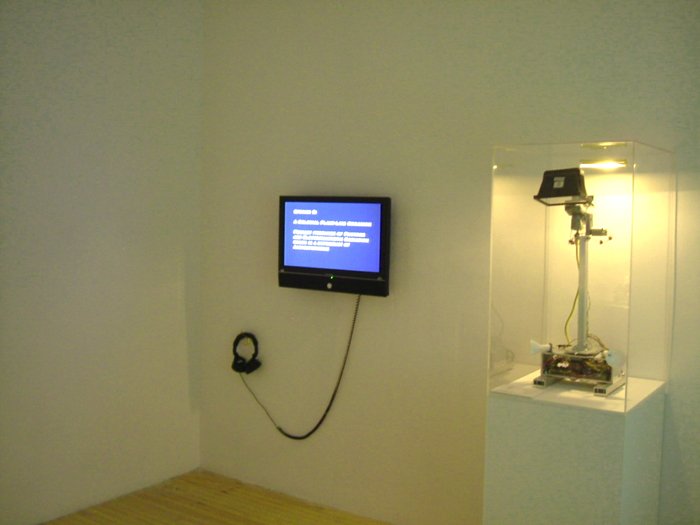
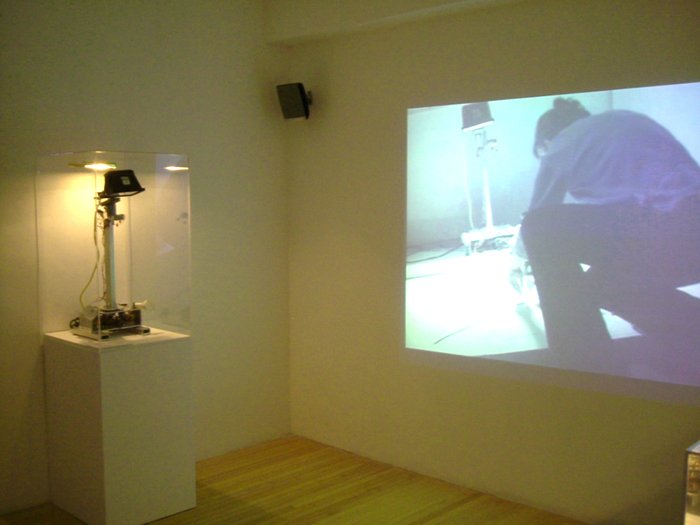
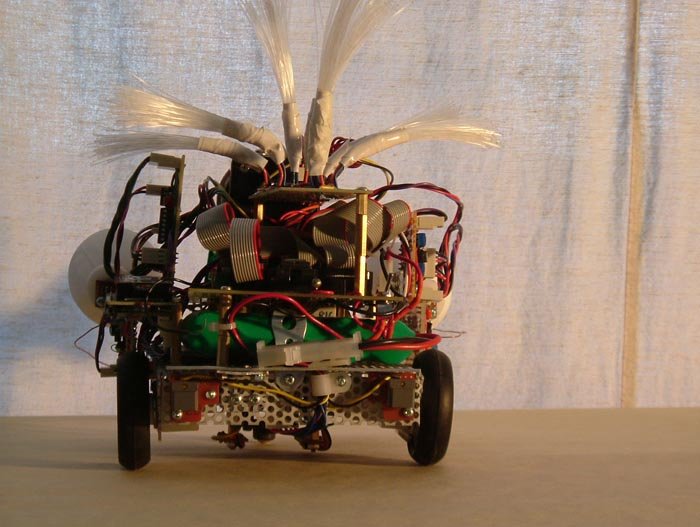
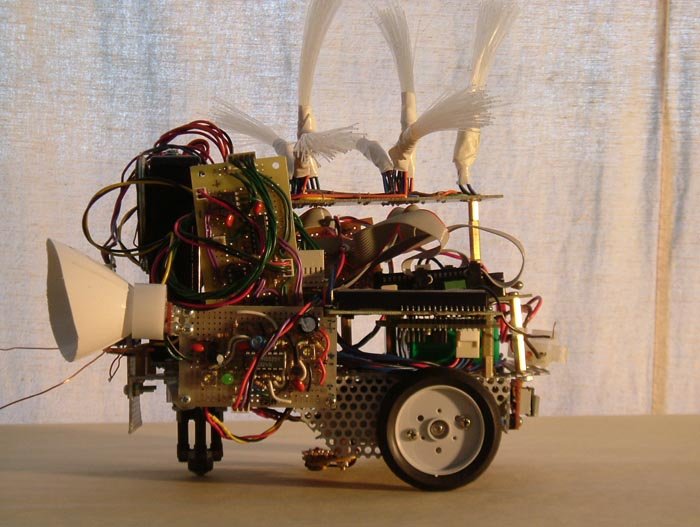
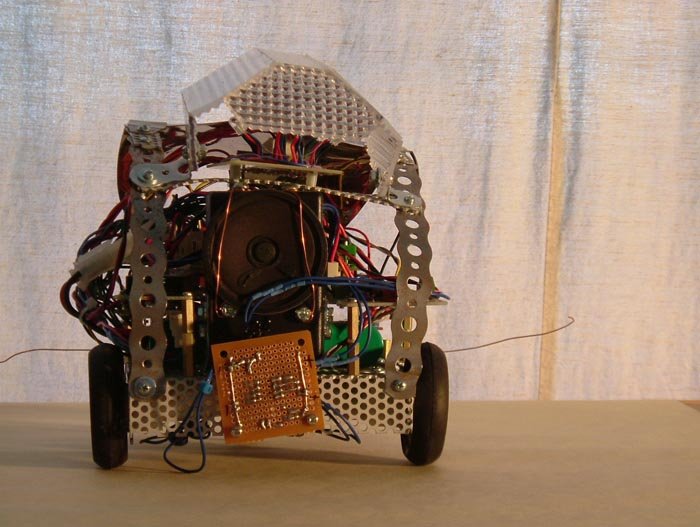
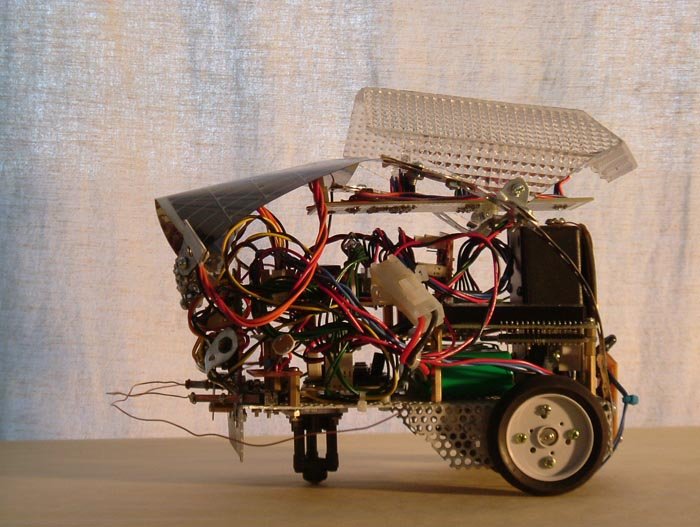
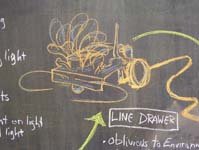
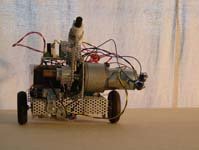
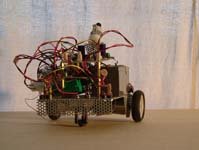
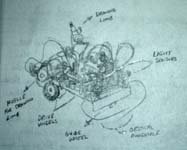
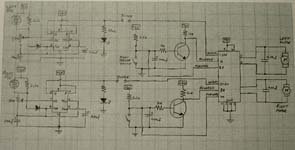
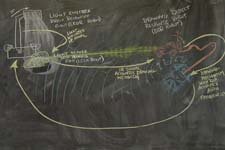
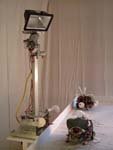
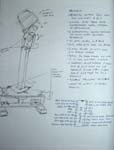
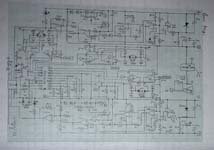
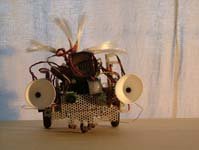
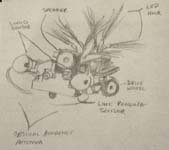
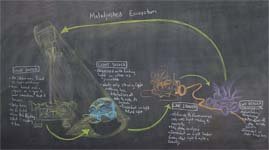
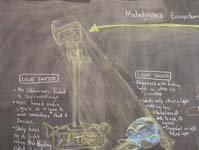
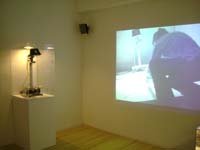
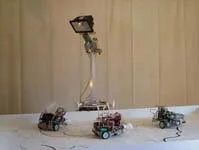
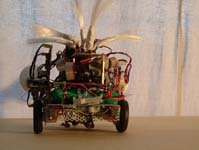
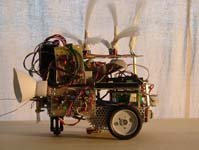
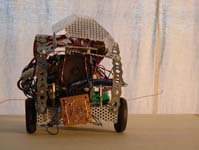
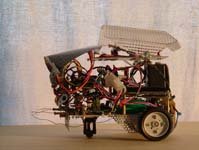
This large installation displays the robots behind glass cases and the only information about the robot's ecology comes from very biased narratives. There are three videos: one on the field study notes taken from robot observations, one using subtitles to describe the robot's experiences using humanistic ideas and the last is a lecture that describes a robot brain schematic to help humans understand robot psychology better. This robot psychology is designed with the intention of using the robot’s AI program as a research space to further understand and resolve issues in basic human psychology.
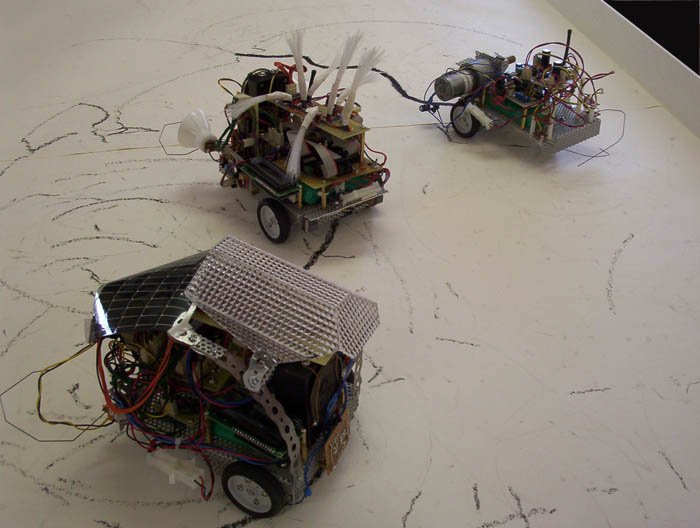
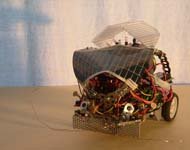
These video works are filmed in the style of a naturalist researching animal behaviour in the wilderness, though the subjects are four robots. A robot is deterministic; it is a character without free will. A robot's behaviour is determined by the external control of its environment and the internal control of its program. Yet in running a robot, glitches arise that defy the confines of the program and it behaves in a manner not intended.
These videos visualize how a forgotten or misplaced command creates an unexpected behaviour. These video works mimic organic behaviours to accentuate the discovery process I go through to understand the robot. The robot becomes its own entity through my inability to be omnicompetent
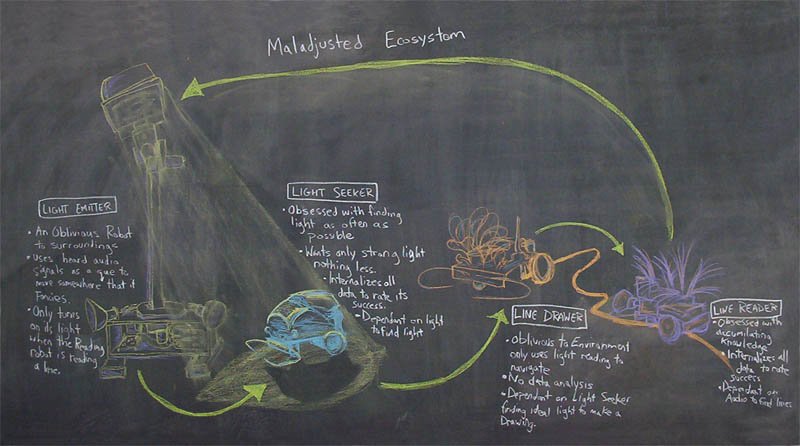
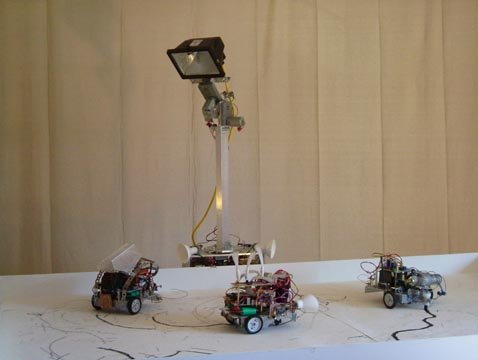
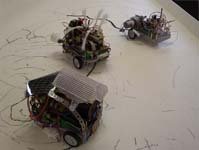
The robots in their social interactions with each other are designed to show how their ability to self analyze, when carried to an extreme, results in an inability to function. The robots' obsessive tendency to self evaluate causes their behavioural responses to act without instinct, without self-preservation.
Observational Studies
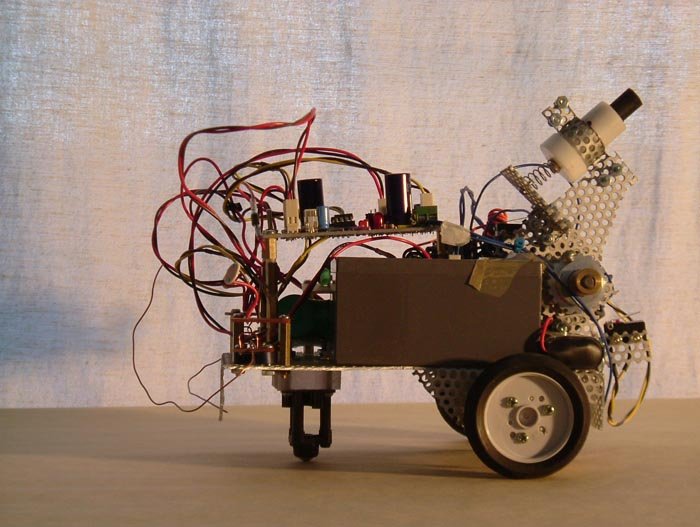
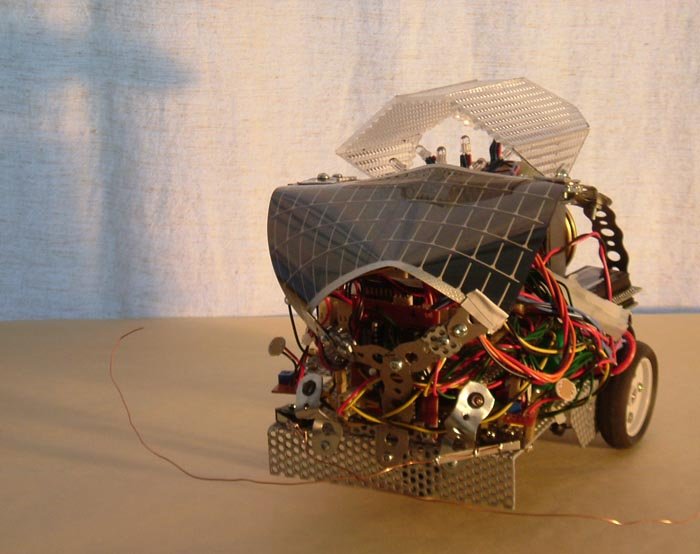
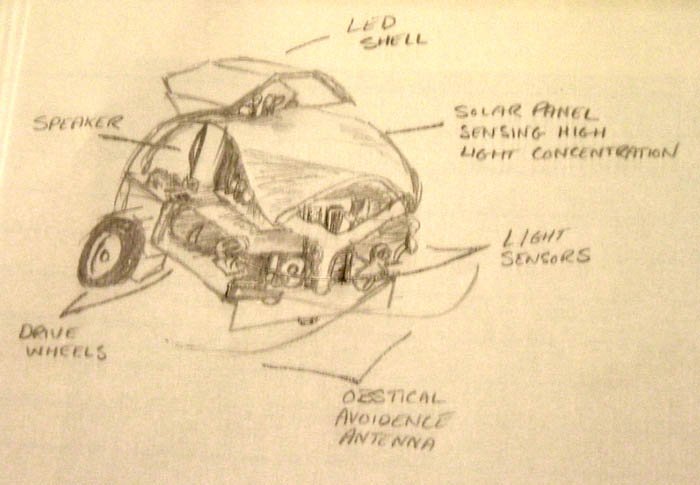
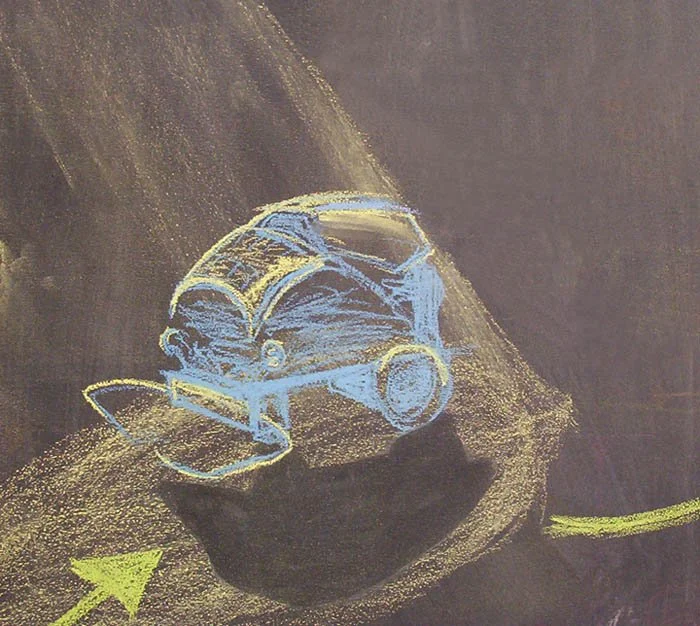
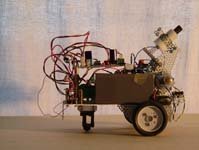
Light Seeker Robot
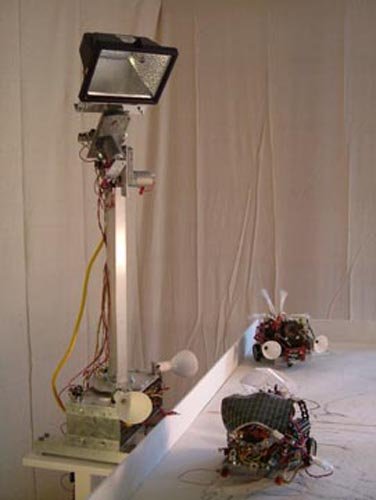
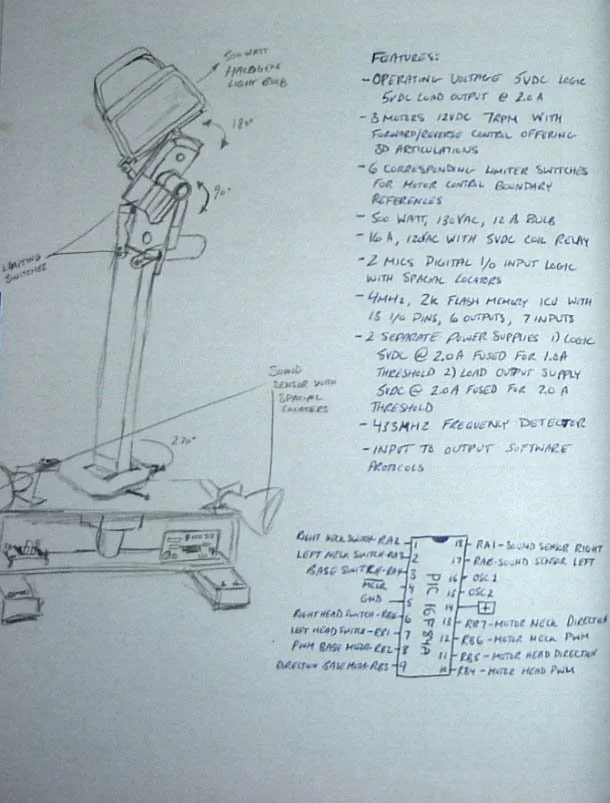
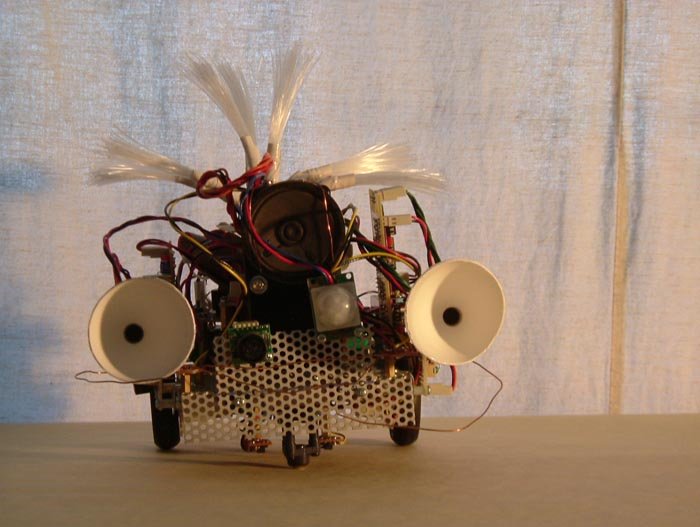
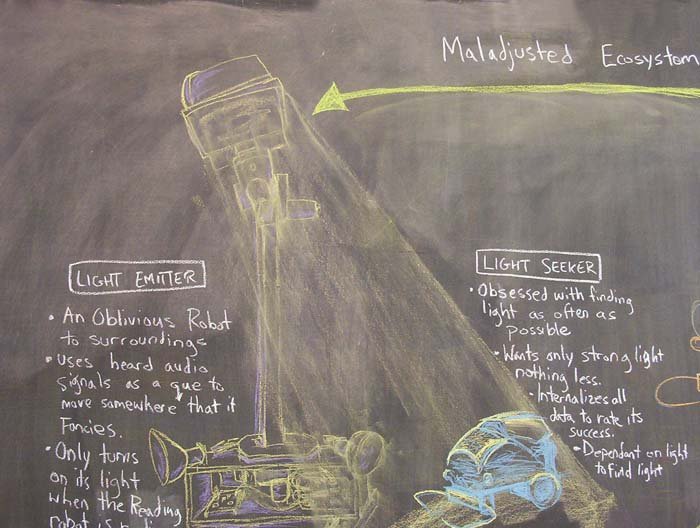
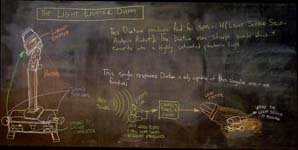
Light Emitter Robot
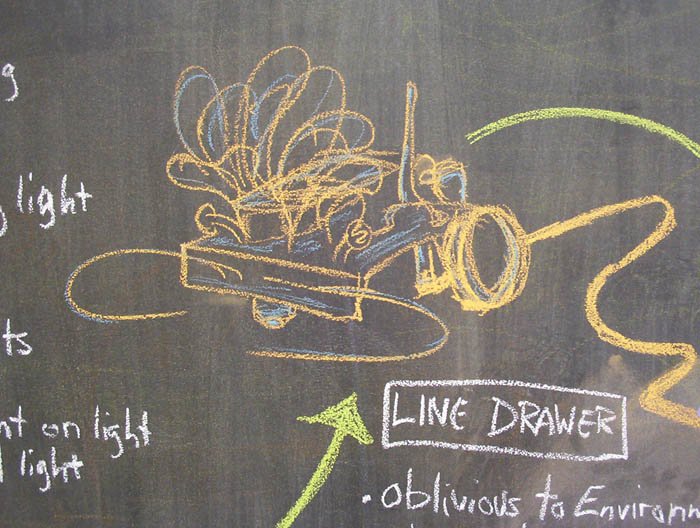
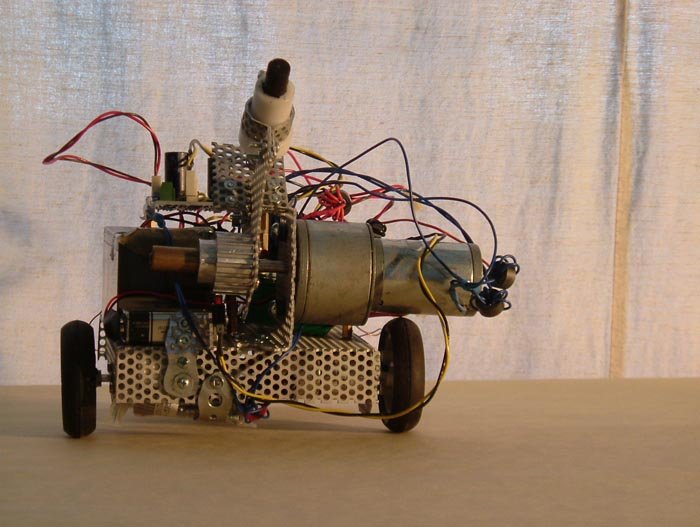
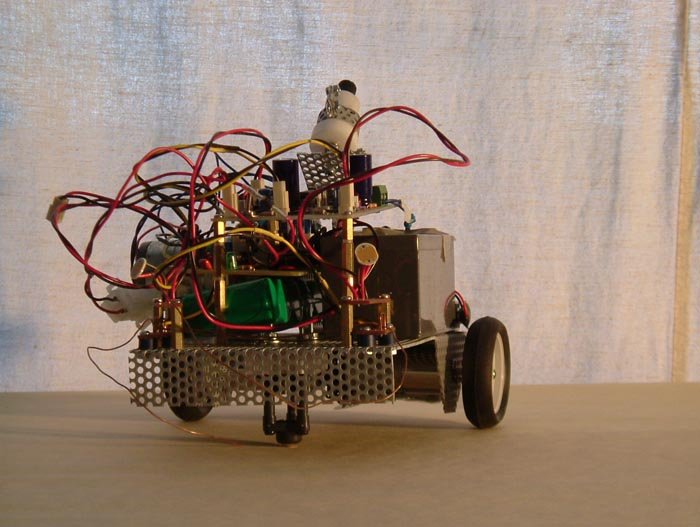
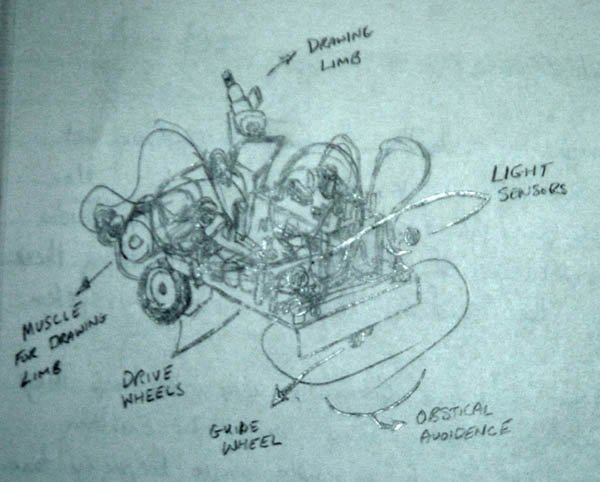
Drawing Robot
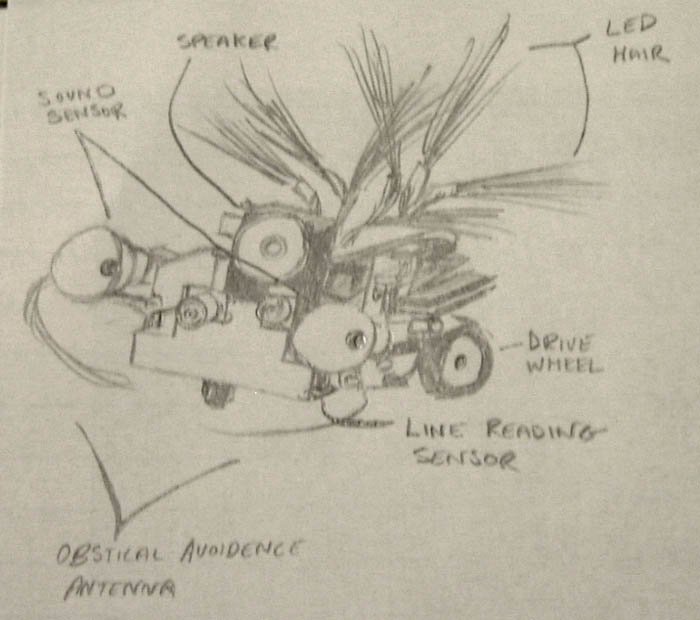
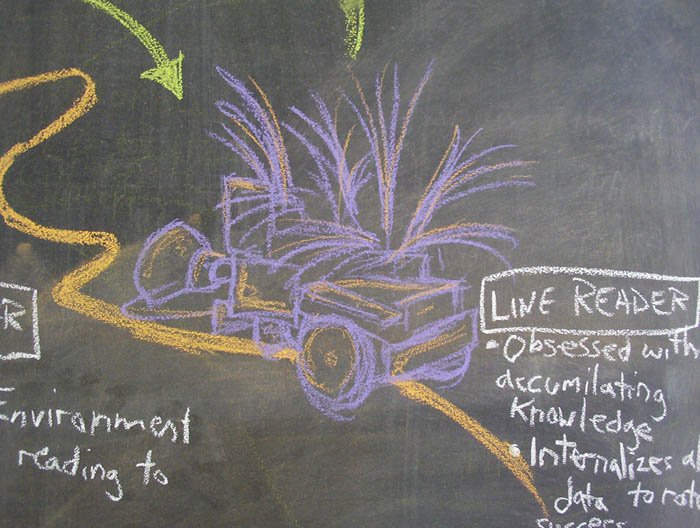
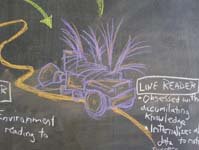
Line Reader Robot