
Field Studies Version 2 (2009)
Photo Credit: Paul Litherland (Images in gallery) Jessica Field (Drawing images)
The Field Studies project is a large installation comprised of 19 robots of varying levels of intelligence. The first level are 10 Protozoan Flagellates, single celled robots, that are shown on a metal table. Next are a group of 4 Hydrozoan robots that uses sensory inputs to drive their outputs. The last group of robots are 5 Anthropods that are displayed in 3 pens on the floor. These Anthropods are modeled from the same AI system as the robot vacuum cleaners and use behaviour based programming.
The installation also has 3 videos presenting the robots. Each video takes on the assumption that the robots are real animals and explains the robot's habitat from this bias. The video Like a robot give the audience in inside view of what it is like to see like the Anthropods exhibited. The other video Ideological Ecologies is a documentary describing the Hydrozoan's ecology. It is a stop motion animation designed to make the audience skeptical about the truth of the video's content. The last video, Anthropod Tales is a narrative much like the nature films from the National Film Board of Canada's Hinterland's Who's Who humanizes the robots and shows their real nature has none of the qualities represented in the video.
The last major element the this installtion are 5 book works that contain the Evolutionary History of each Anthropod in the form of the code that was written for each version of the robot’s AI that lead to its current evolution. The code is written in Assembler with my notes on why each new version of code had to be written in order to improve the robots' abilities to interact with the other robot's and their environment. On looking at these books, the reader gets the full sense of how simple the robots are and how complicated it is to make robot do the most simple activity. The books also play on the idea that the robots are evolving. Each has gone through less than a hundred variations and explains their utter simplicity. This begs the question: How advanced could they become if the creator kept trying to evolve them for millions of years?
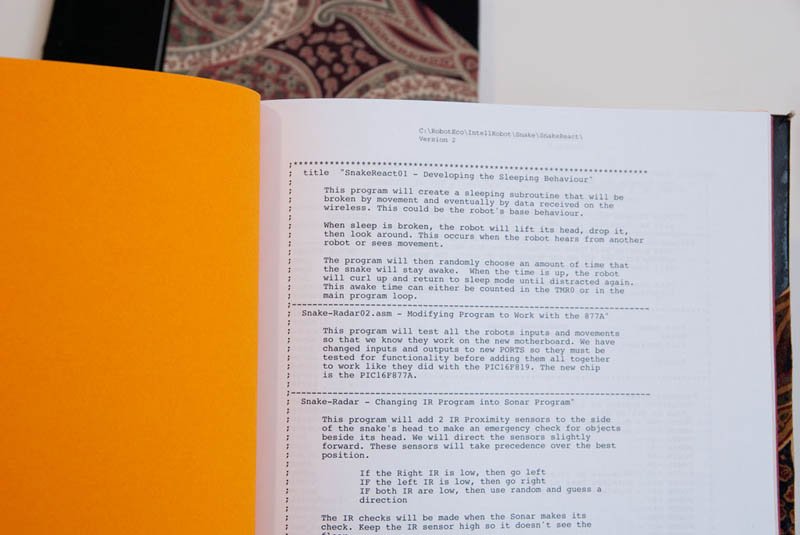
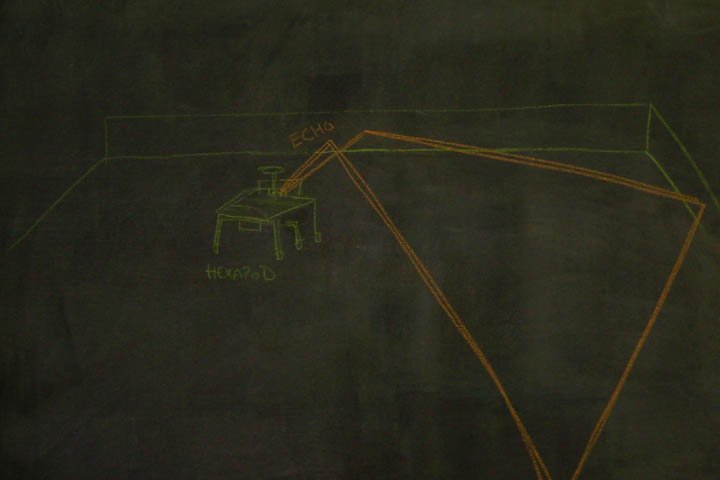
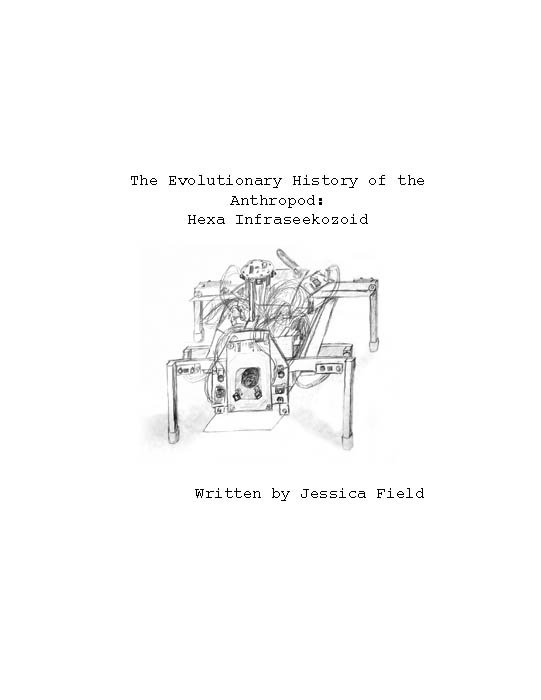

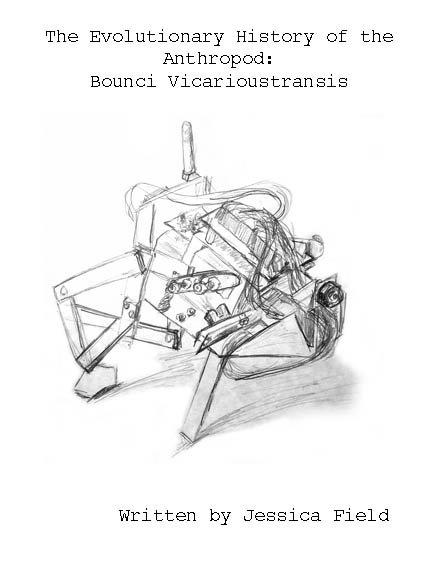
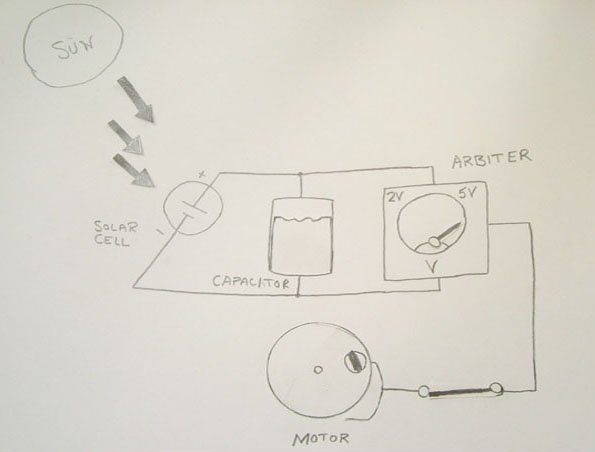
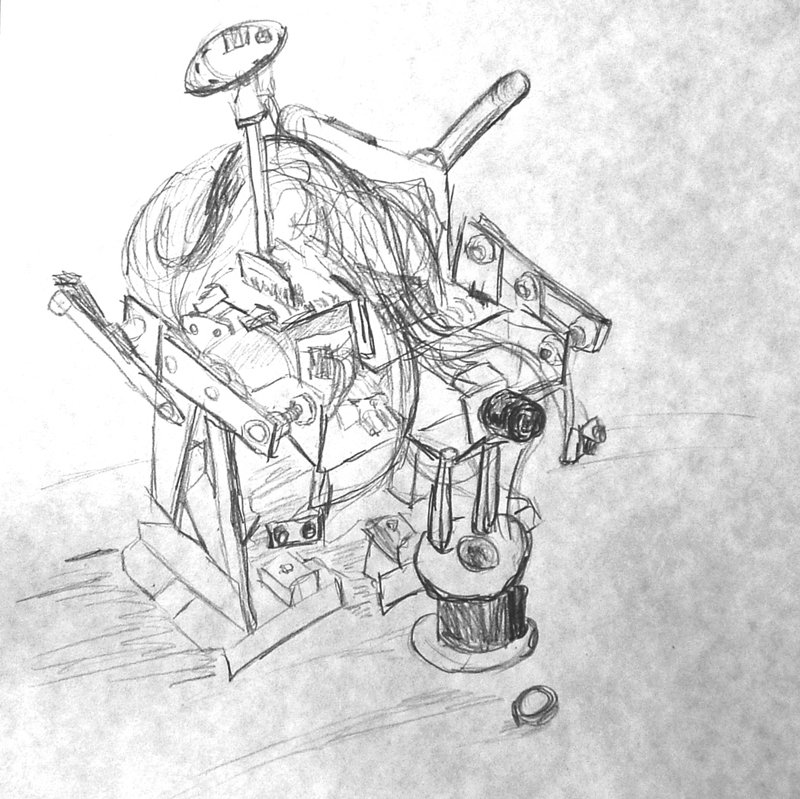
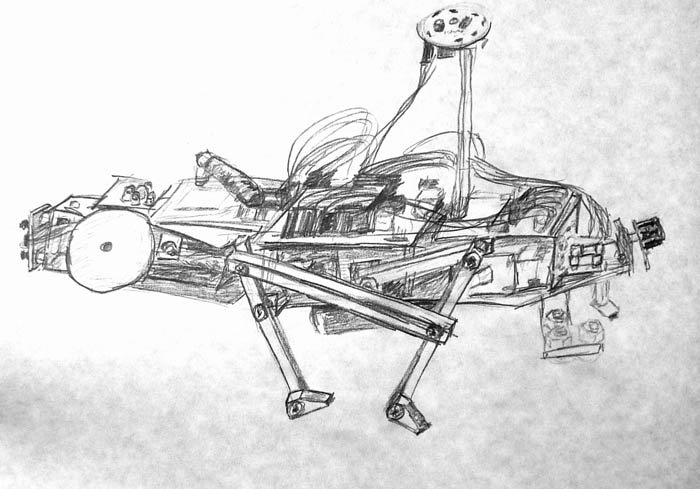
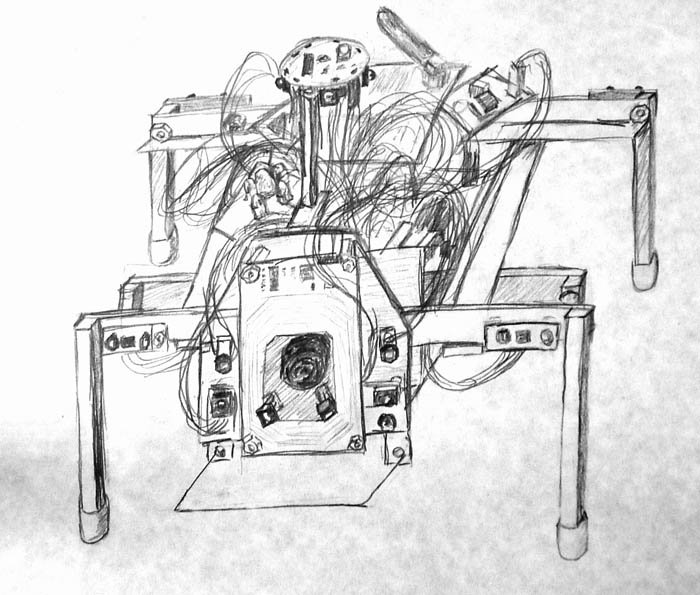
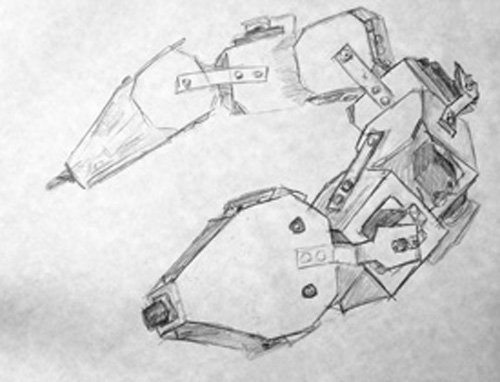
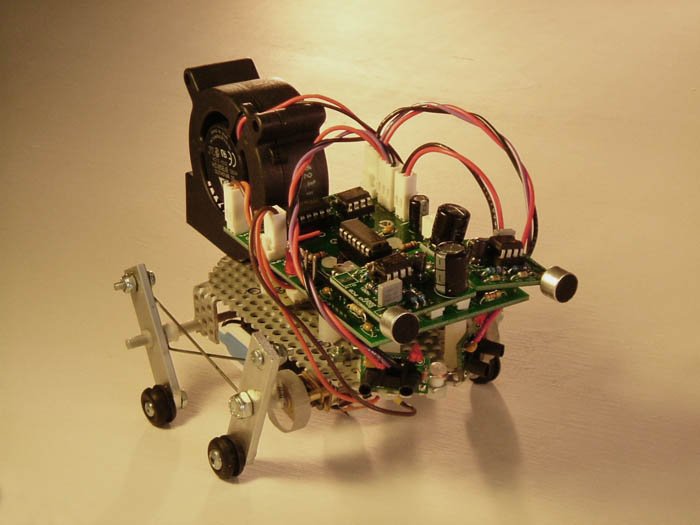
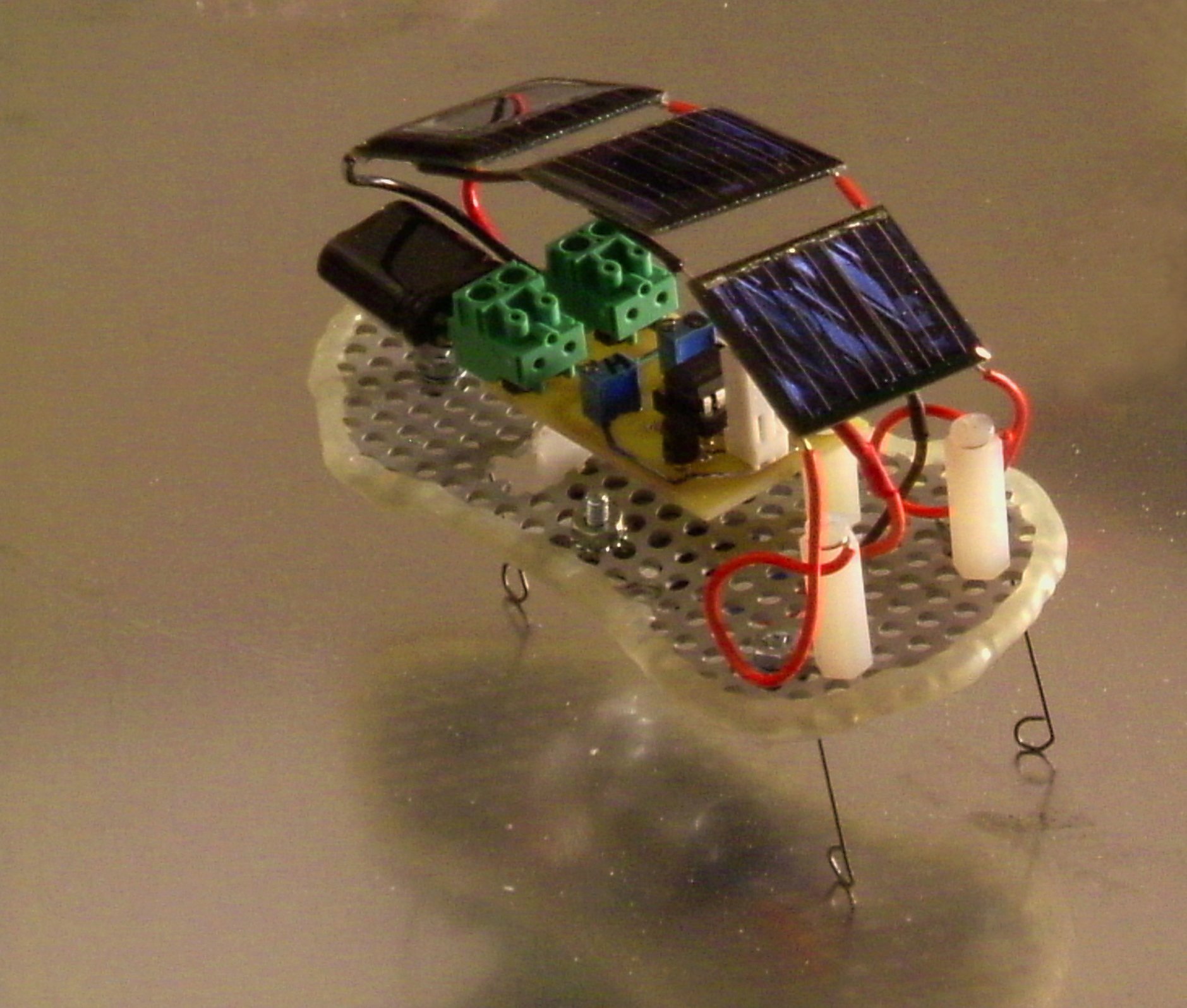
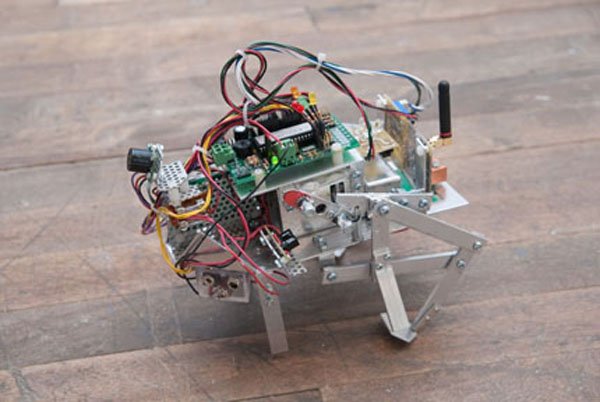
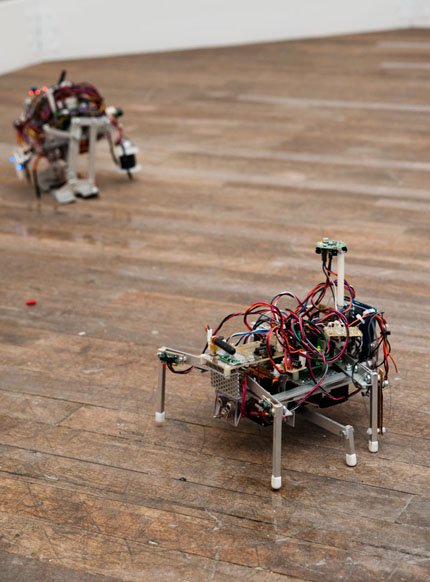
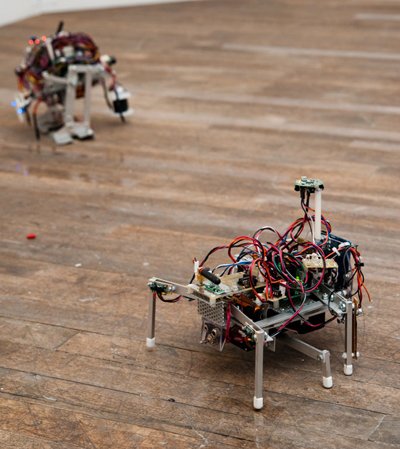
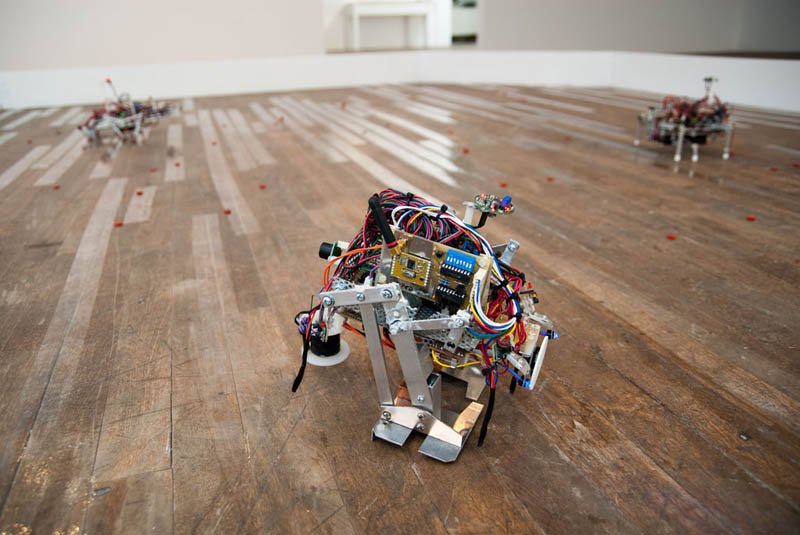
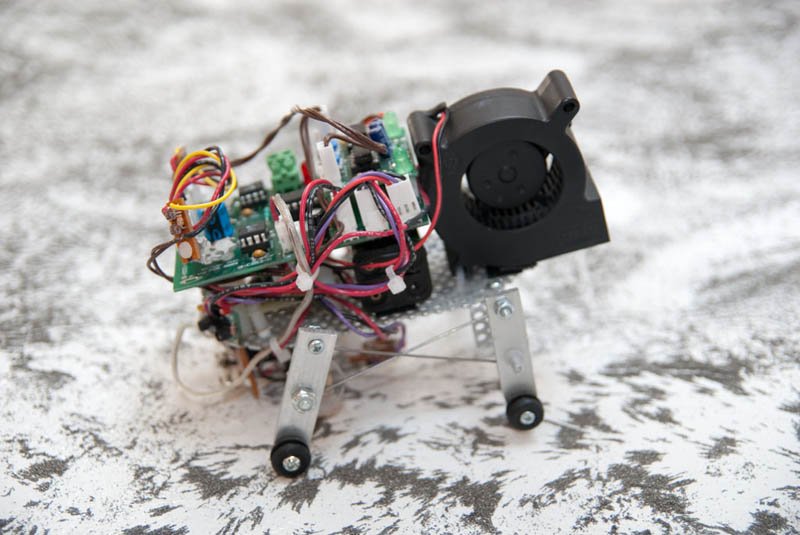
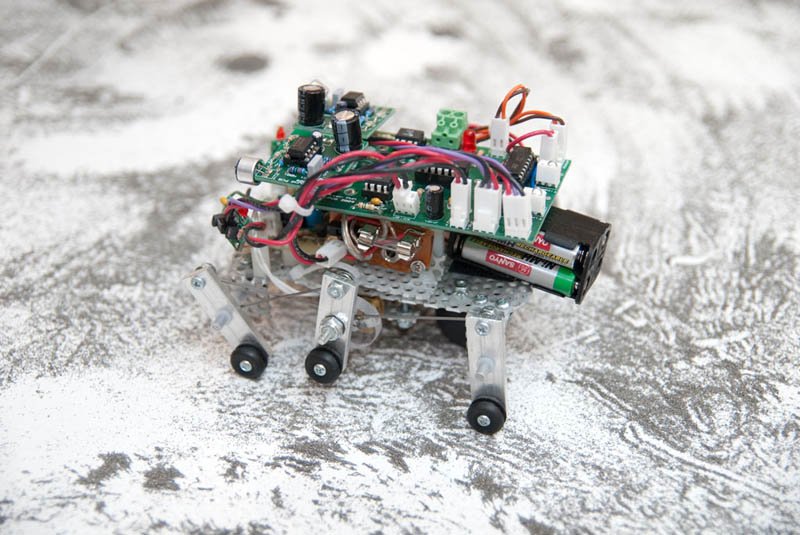
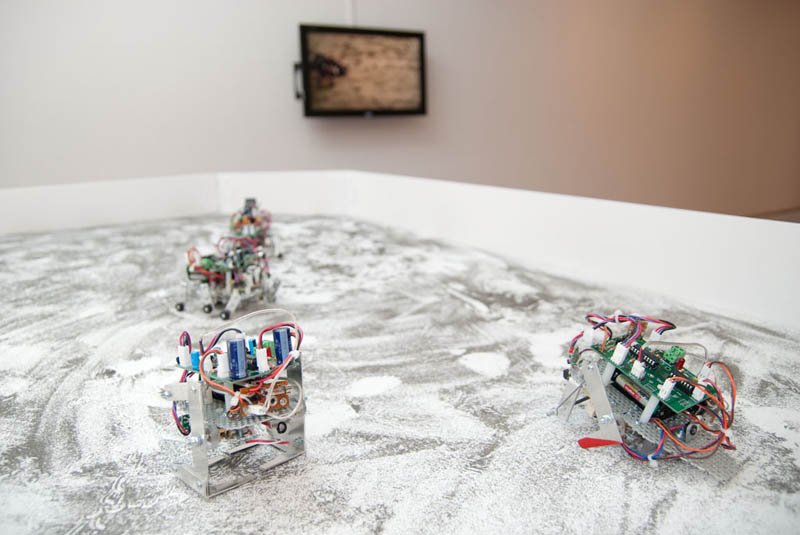
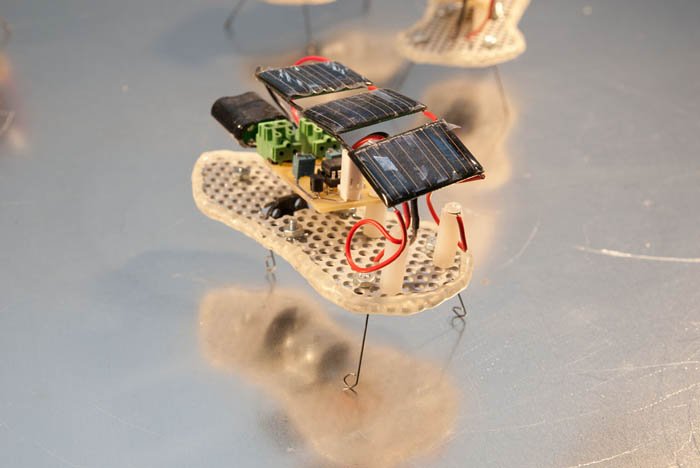
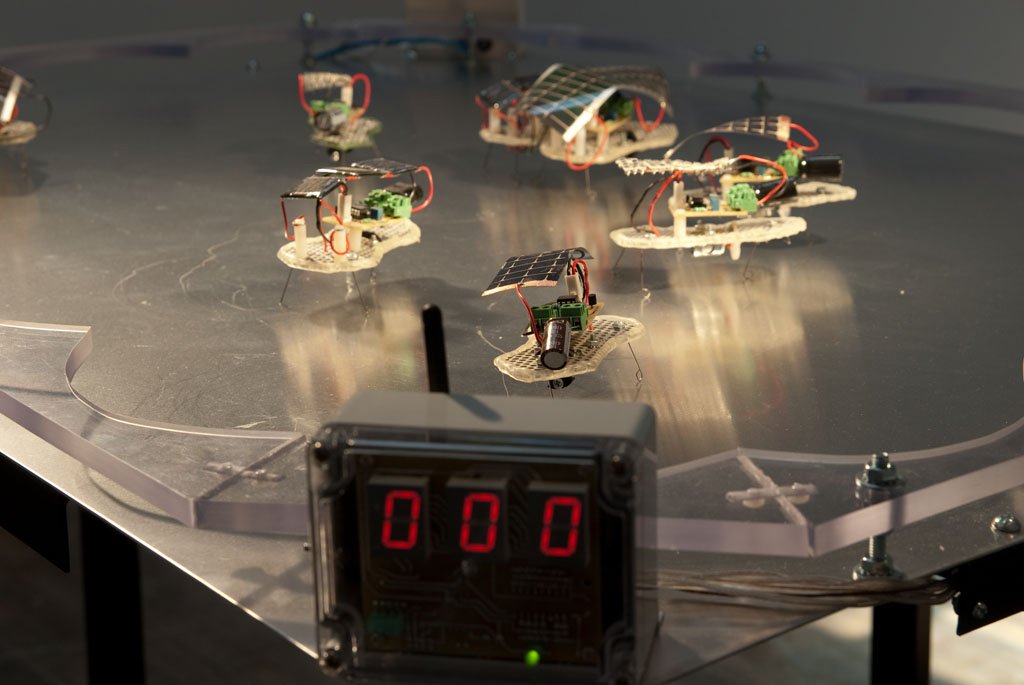
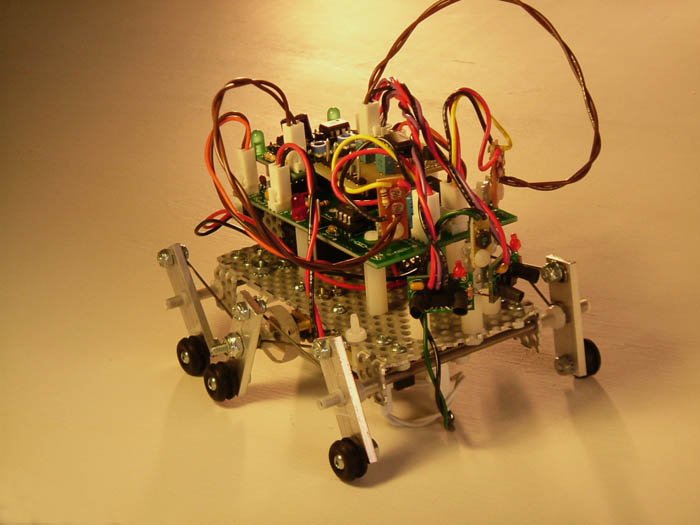
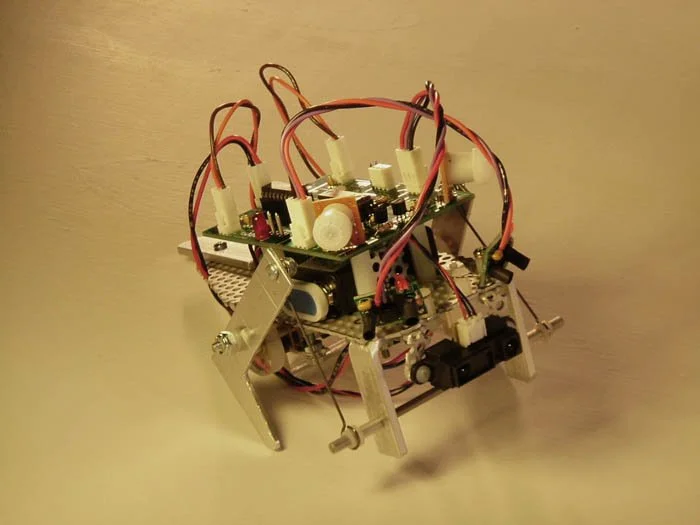
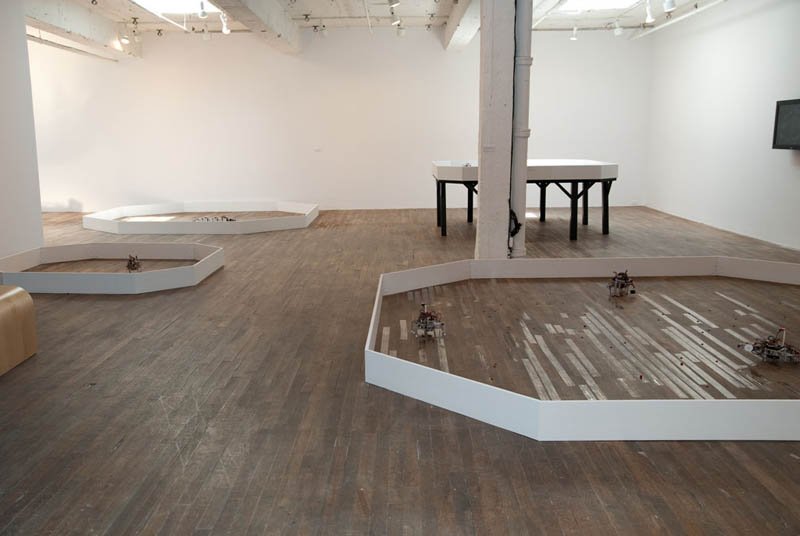
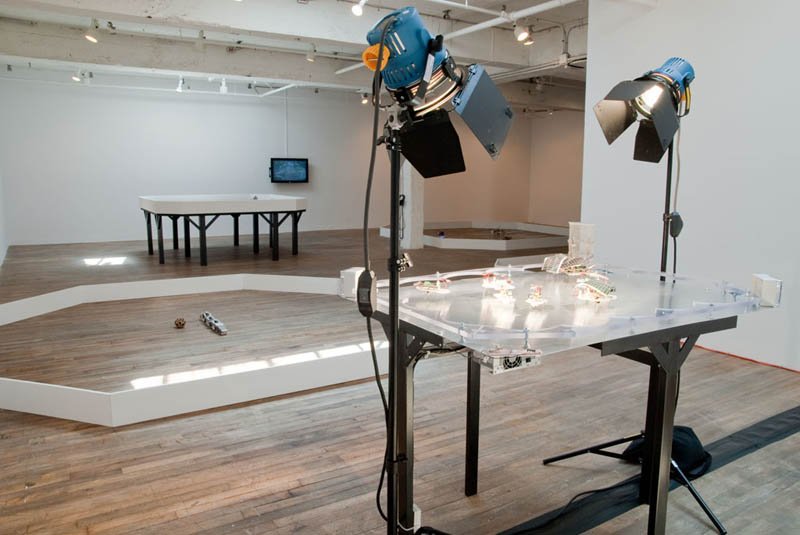
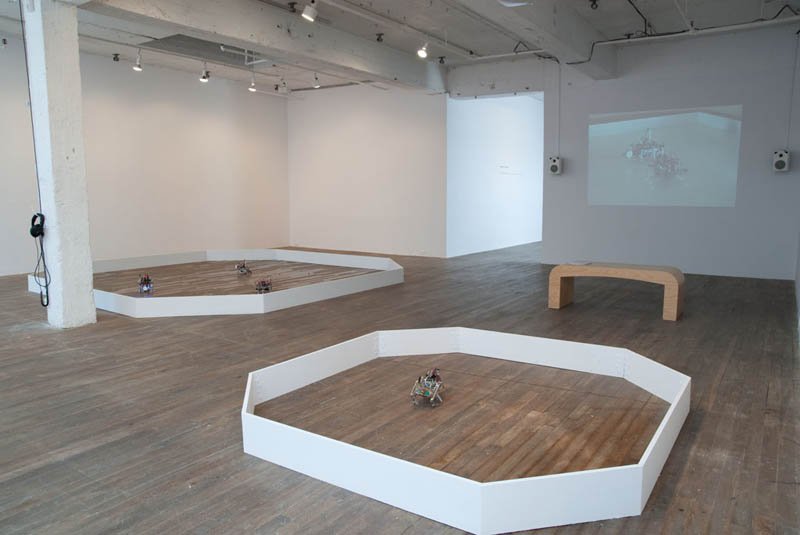

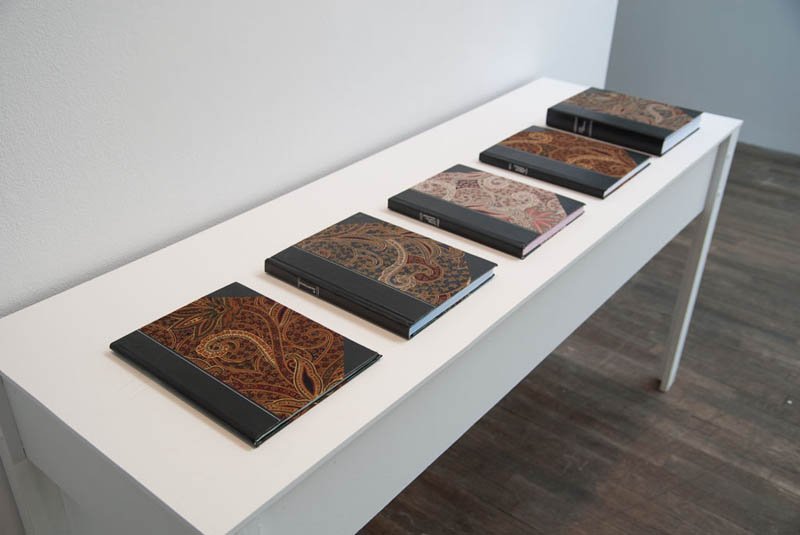
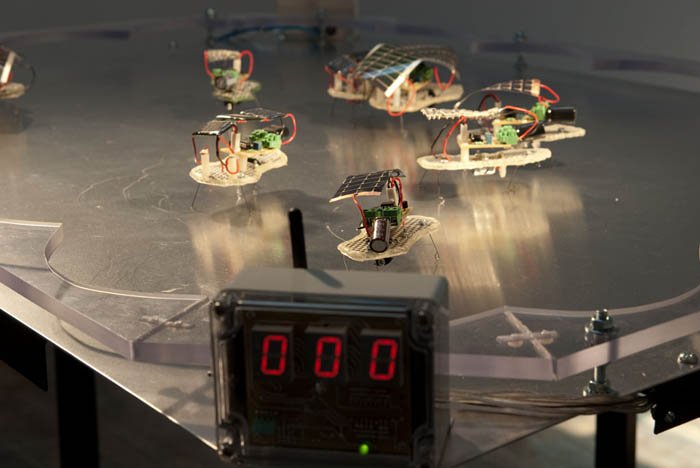
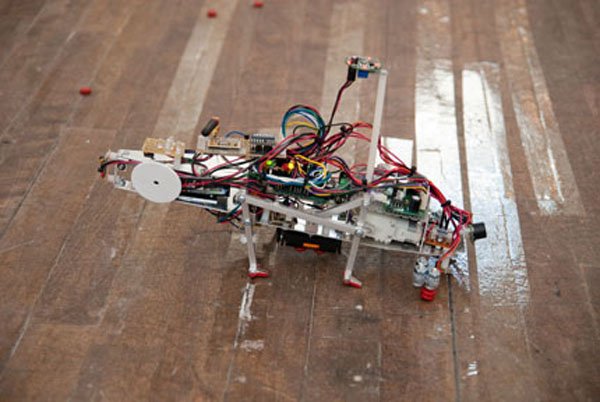
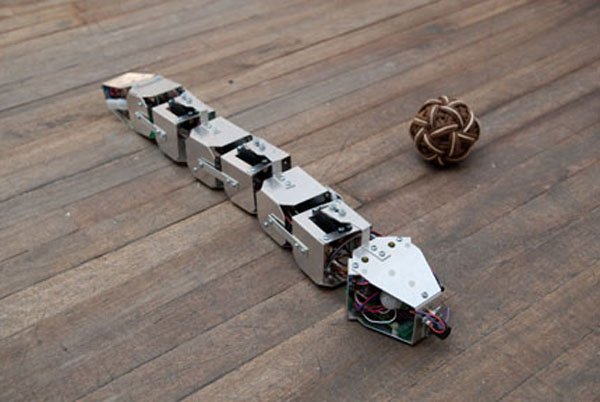
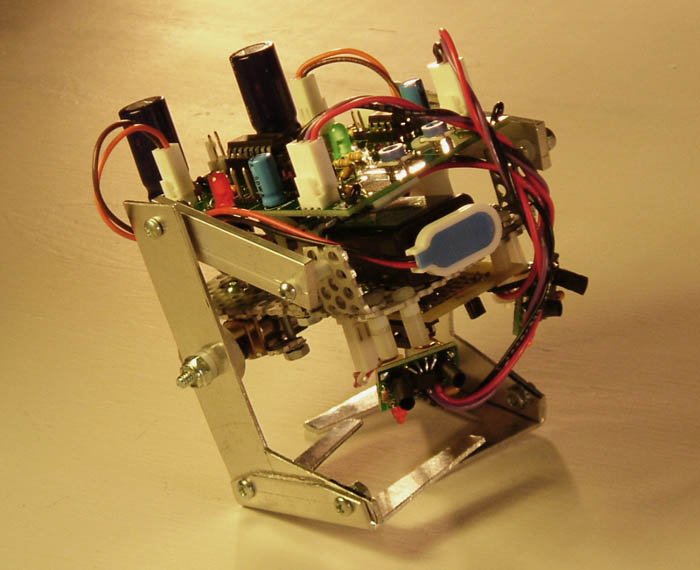
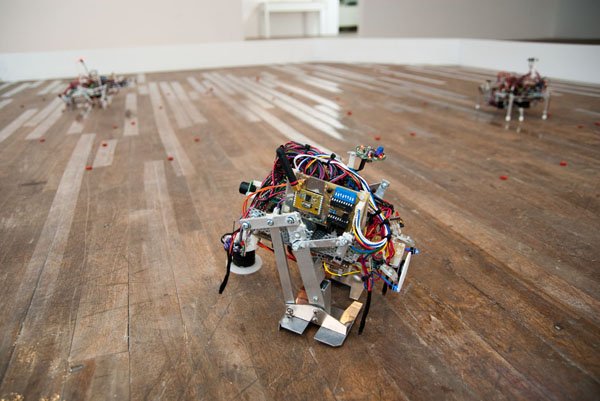
Photo Credit: Paul Litherland.
