Monoliths (2013)
Photo credit: Jessica Field
Video credit: Empty Cup Media
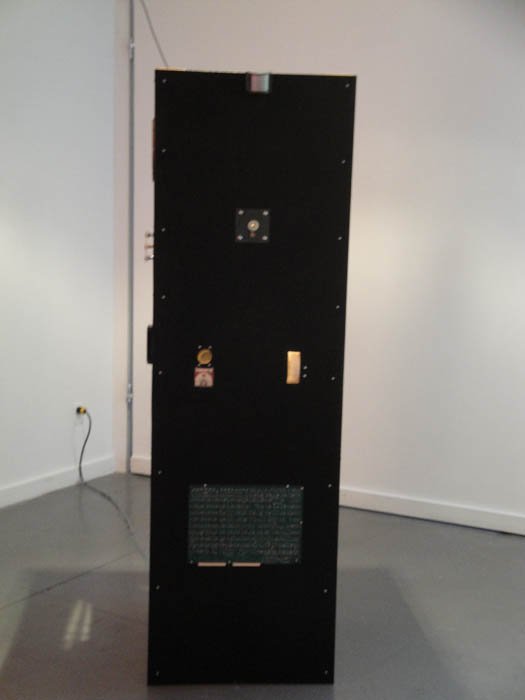
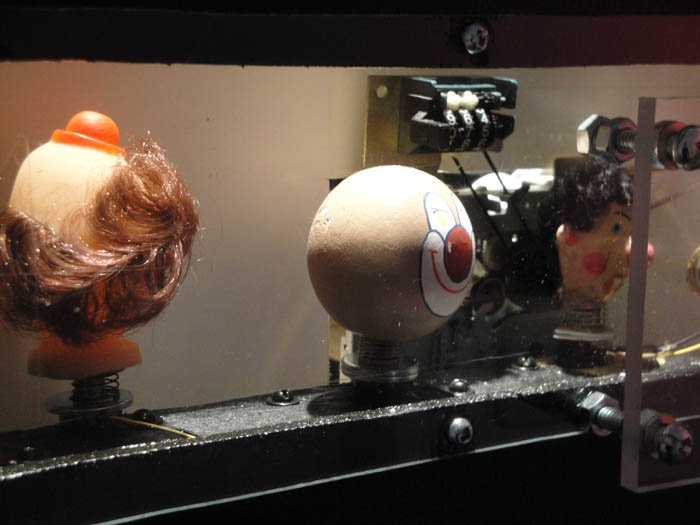
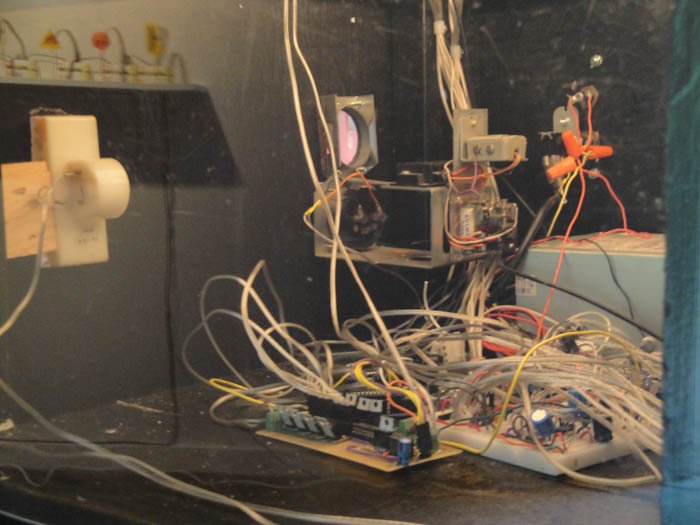
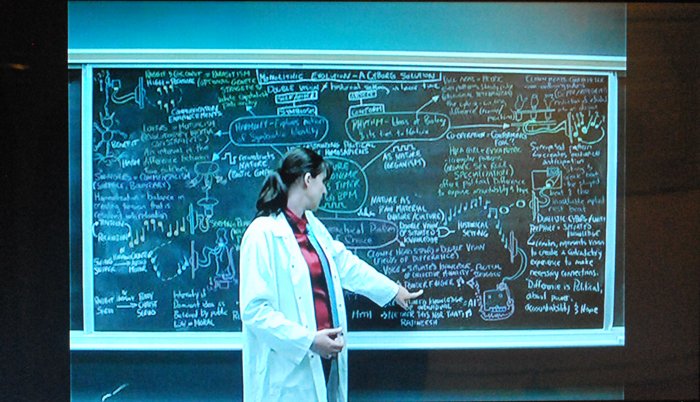
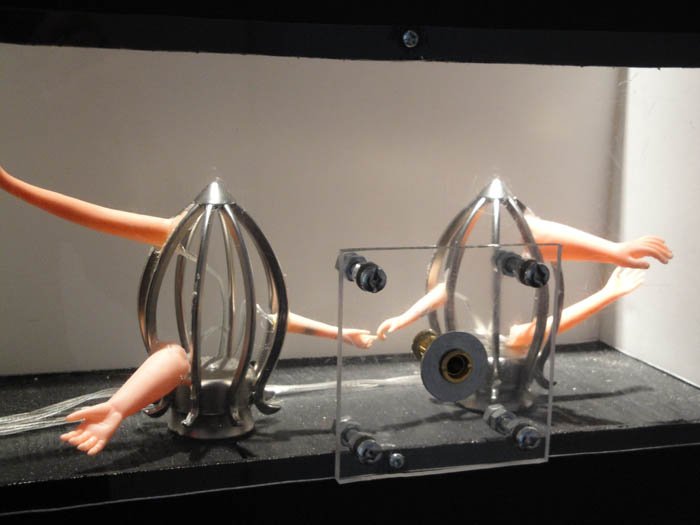
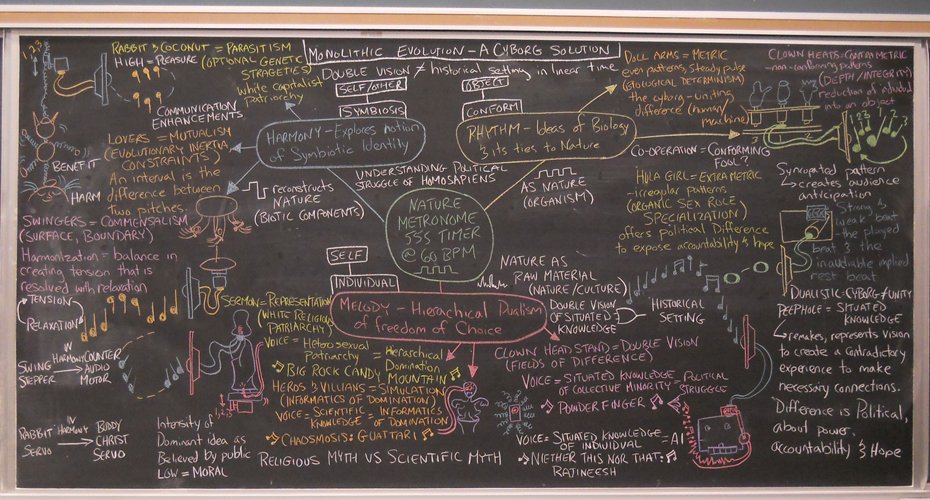
The moving characters in each monolith use irony to reveal the complex interplay that determinism and freedom of choice have on a person’s life. These characters perform on three theatrical stages in each monolith. The sculptures each perform a basic musical element: rhythm, harmony and melody.
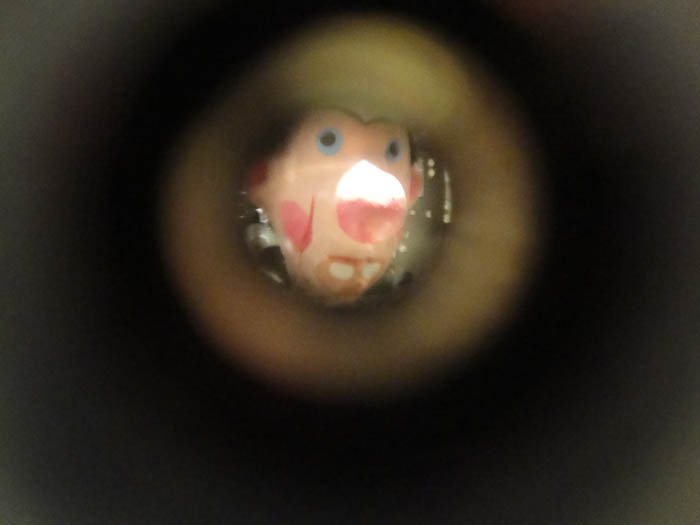
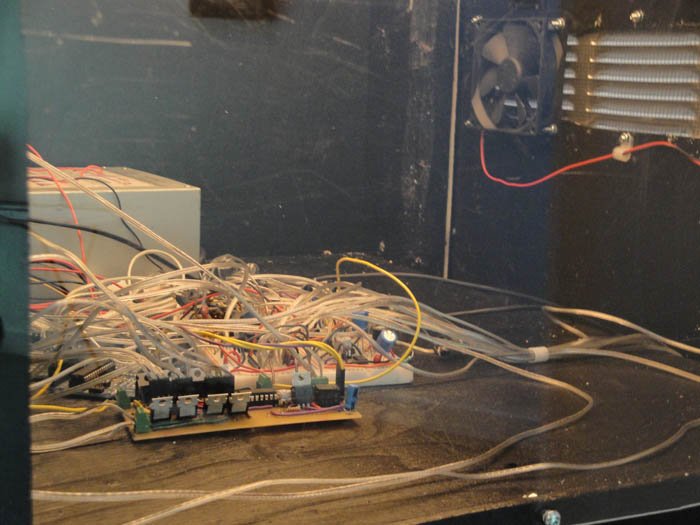
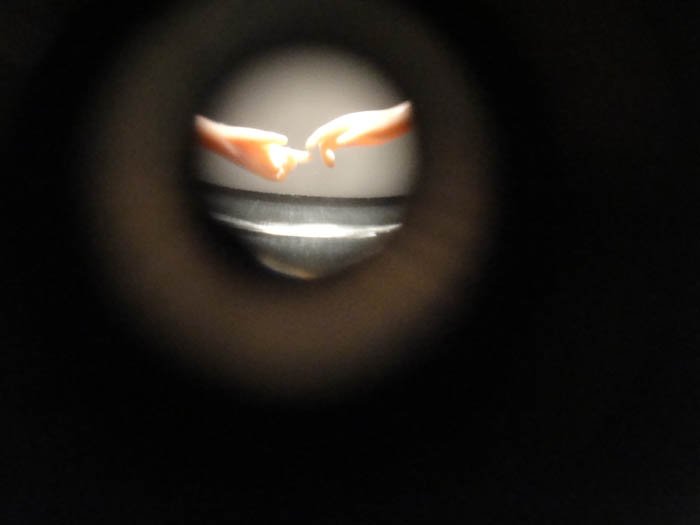
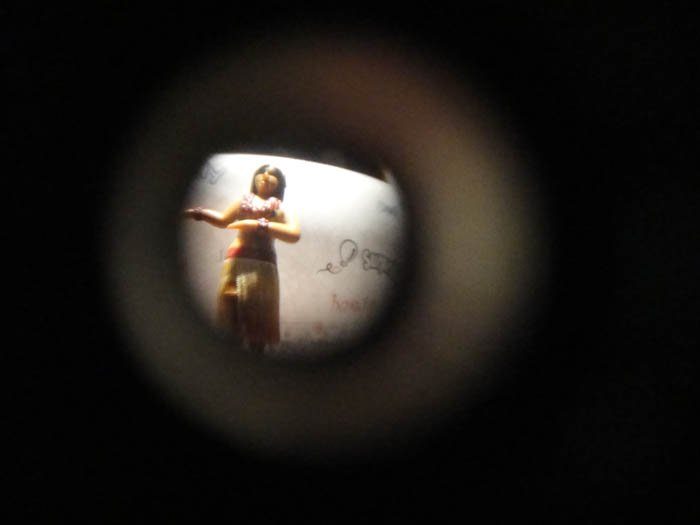
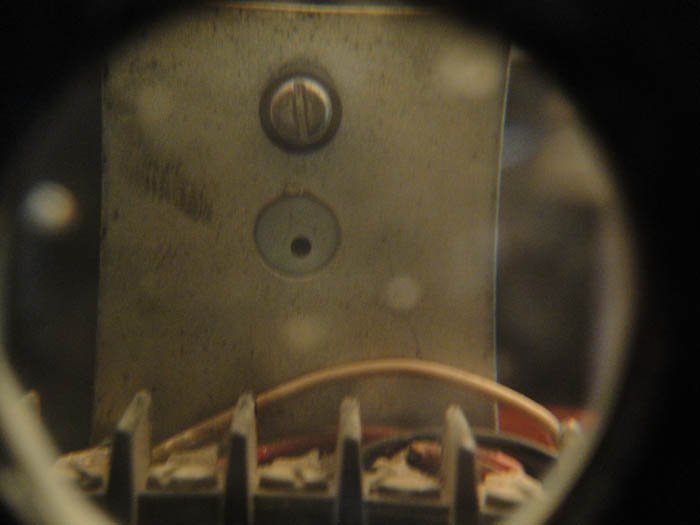
The combined audio components create a musical composition that is similar to the musical structure of hip hop. The audio source is generated mechanically from three stages where the viewer sees found objects performing. Each stage creates a social commentary about objectification, stereotyping and discrimination. Two of the stages can be viewed through either a viewing window or a peephole. The third stage can only be accessed through a peephole. The stages are arranged so that the viewer of the third stage becomes the spectacle for the audience of the other two stages.
The stages represent hierarchical dualisms of sexual identity and gender. The peephole, normally used to enable the privilege of the male gaze, is used here to undermine the hierarchies of whole scenes by blurring the dichotomy of this original relationship. The peephole becomes the eye of the Cyborg that deconstructs the binary representation of the original scene into a reflexive cybernetic organism. Thus, the melody monolith shows performances that are based on the hierarchical dualism of freedom of choice; the harmony monolith explores the notion of symbiotic identity; and the rhythm monolith plays with ideas of gender that are tied to biology. The work references the theories of Laura Mulvey and Donna Haraway.